Season by season
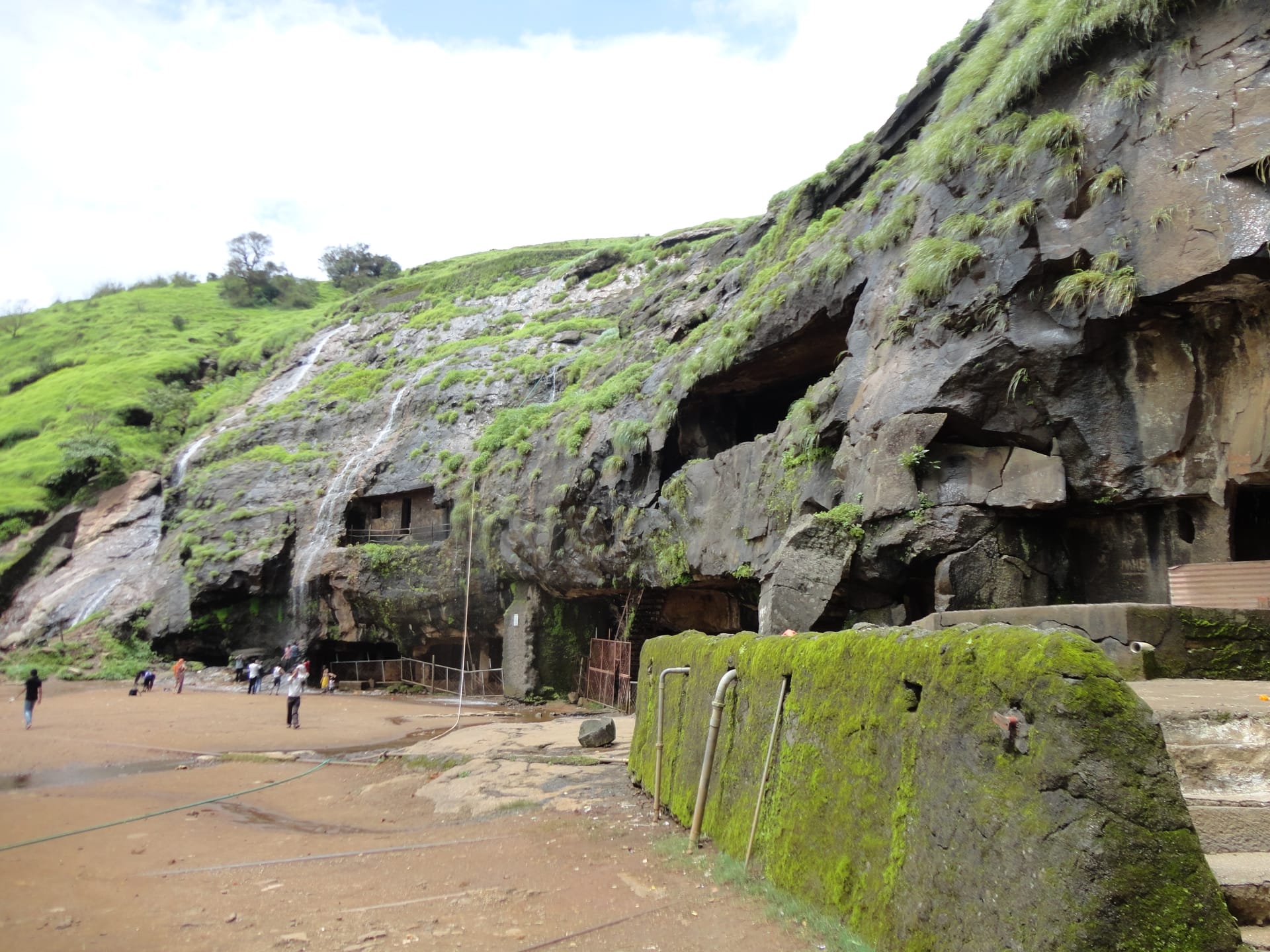
Karla sits in the Sahyadri hills near Lonavala, so the experience changes a great deal with the season. Choosing the right window mostly comes down to how comfortable you want the climb to be and whether you are travelling for the festivals or for a quieter darshan.
Winter and post-monsoon (October to March) — best
This is the most pleasant stretch of the year. The air is cooler and clearer, the surrounding greenery is still fresh after the rains early in the window, and the climb up the steps is far more comfortable than in the heat. It is the easiest time for families, older visitors and anyone less used to a sustained climb. Because it is also the most popular season, weekends and holidays can be busy, so an early start still helps.
Summer (April to May) — hot
Summers can be warm to hot, and much of the stairway is exposed to the sun. A climb in the middle of a summer day is tiring and can be risky for those sensitive to heat. If you visit in these months, go as early in the morning as you can, carry plenty of water, wear a hat and sunscreen, and rest often in the shade. Avoid the hottest part of the afternoon. See The Climb, Parking & Accessibility for heat and hydration tips.
Monsoon (June to September) — lush but slippery
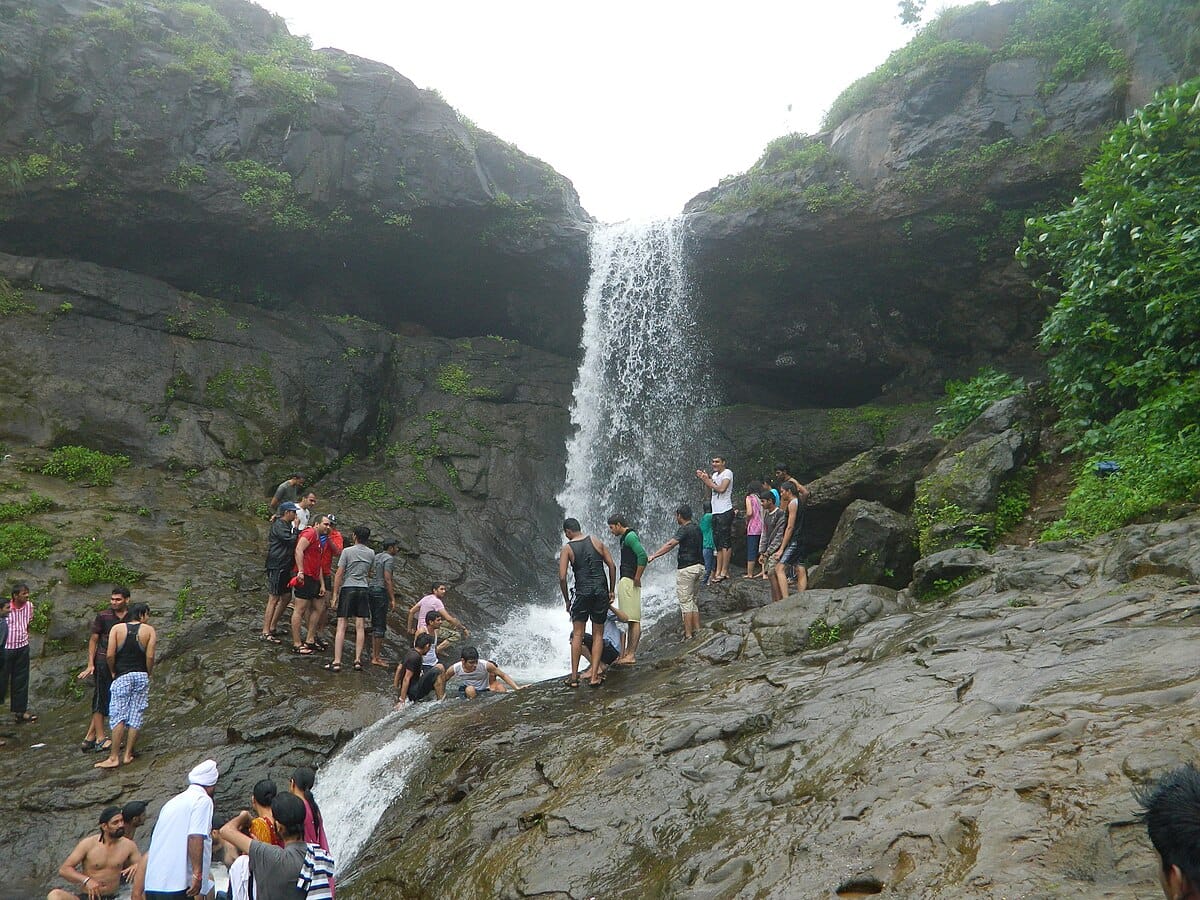
The monsoon transforms the hills into a vivid green landscape with mist and seasonal waterfalls nearby, and many visitors love the atmosphere. The trade-off is safety: the stone steps become wet and slippery, mist can reduce visibility, and heavy rain or storms make the climb hazardous. Wear footwear with good grip, take the descent slowly, and do not climb during heavy rain or thunderstorms. Importantly, authorities in the Lonavala–Maval area sometimes issue seasonal safety advisories or restrictions during the monsoon — check for any current advisory and follow it before you travel.
Festival crowd intensity
The temple is busiest during its major festivals, when devotees arrive in large numbers and the climb, queues and roads can all be crowded. The two peak periods are Navratri (observed in spring and autumn) and the Chaitra festivities, including the Chaitra Yatra and Palkhi, which draw strong community participation. If you want a calmer darshan, plan around these dates; if you want to experience the festival energy, come prepared for crowds, traffic and longer waits, and allow extra time.
Festival dates follow the Hindu lunar calendar and shift each year. As an approximate guide for the coming season — we confirm the exact dates nearer the time — the Chaitra Yatra falls around late March, Chaitra Purnima around early April, Chaitra Navratri in March and Sharad (autumn) Navratri in October. For the current dates, see the festival calendar and the festivals overview.
Festival dates are approximate and follow the lunar calendar · we confirm the exact dates nearer the time.Early morning vs sunset
The time of day matters as much as the season. Early morning is usually the best: it is cooler for the climb, the light is soft, queues are typically shorter, and you can take in the valley before the day warms up. Evening towards sunset is atmospheric, with the lamplit shrine and golden light over the hills, but it is also busier and you will be descending the steps in fading light, so plan your timing and footing carefully.
If you also intend to visit the Karla Caves, remember they close in the late afternoon (around 5:30 PM), so fit the caves into the earlier part of the day and keep the temple's morning or evening session around them. The temple's own hours and a separate note on cave timings are set out in Timings & Aarti.
A note on live crowd data
You may see third-party tools claiming to show “live” or “real-time” crowd levels at the temple. We do not publish such figures, as there is no reliable live source for them and the numbers can mislead. The best approach is to plan by season and the festival calendar, arrive early, and check our official channels close to your visit for any genuine notice.